Youth Environment Assembly 2025
Global Youth Declaration on the Environment
About the Assembly
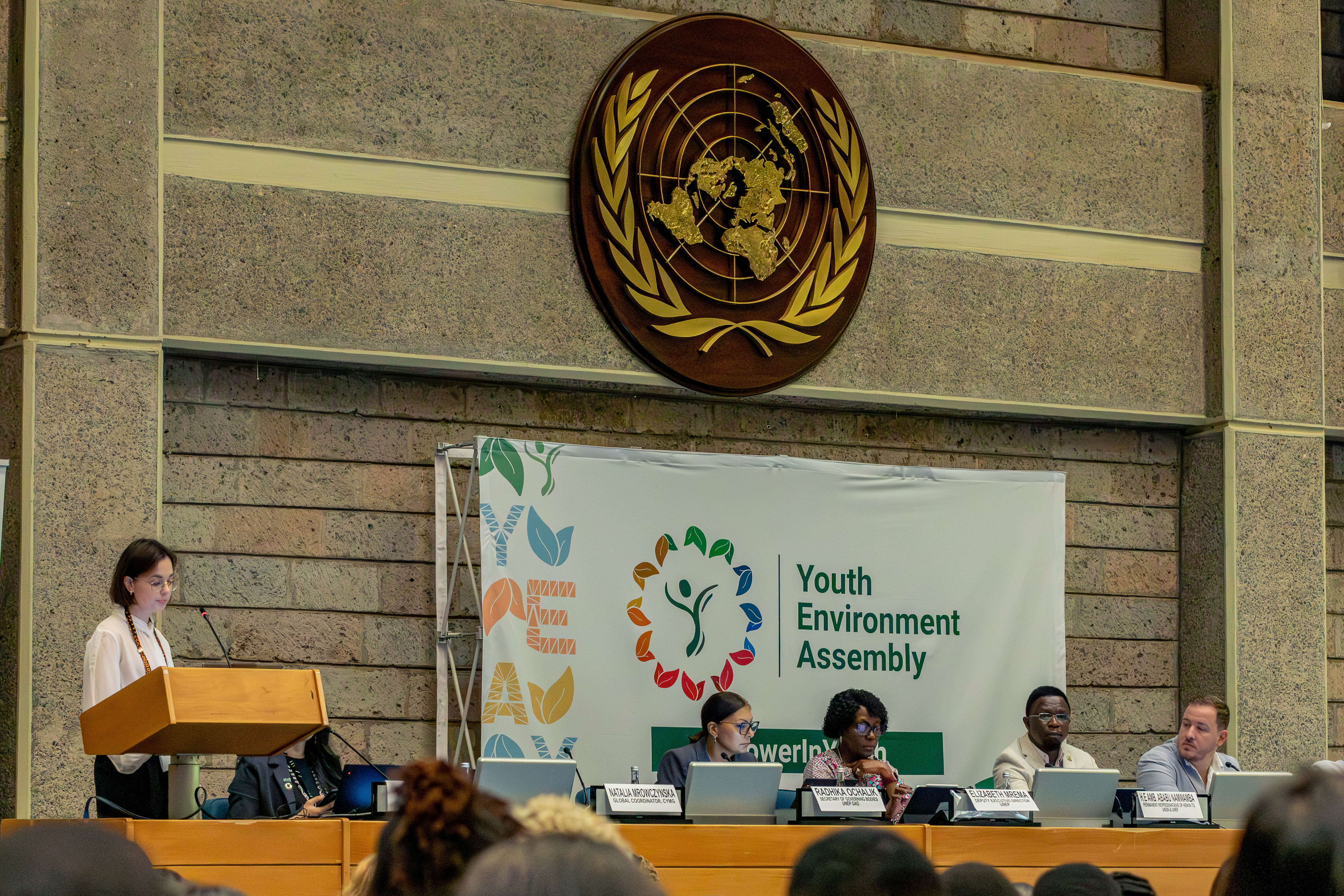
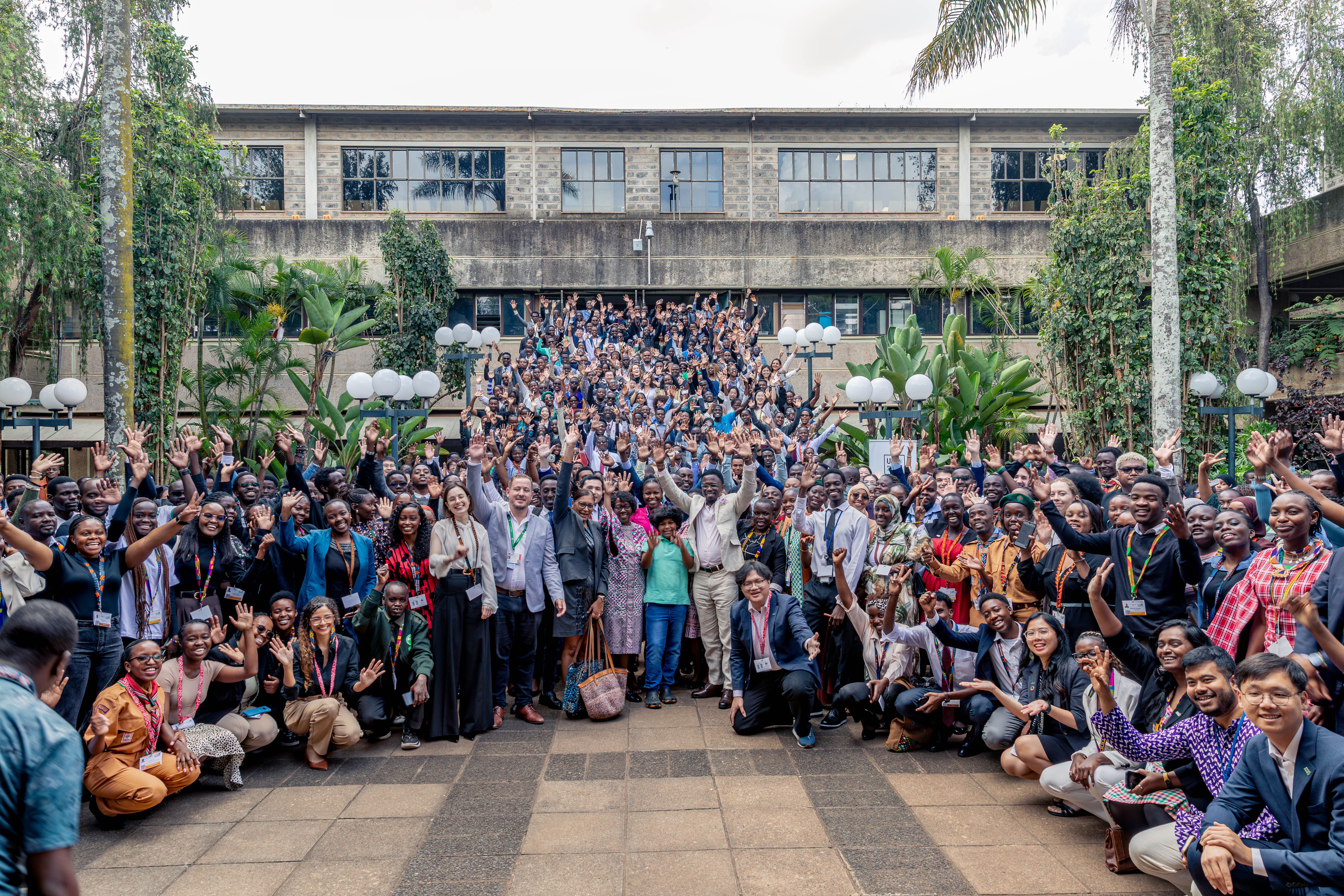
Over the weekend of November 29-30, 2025, the Children and Youth Major Group, through the Youth Environment Assembly (YEA), brought together young people and representatives from Multilateral Environmental Agreements and global institutions at the United Nations Environment Programme (UNEP) headquarters. This assembly marked a distinct shift in the tone of global environmental advocacy.
Convening over 500 young leaders and representatives from across the globe, this gathering was not merely about protest—it was about legislating the future. As the largest assembly of its kind ahead of the upcoming seventh session of the United Nations Environment Assembly (UNEA-7), the event was driven by a theme that transcends traditional activism.
Against a backdrop of geopolitical fragmentation and accelerating planetary instability, the youth constituency has moved beyond demanding a seat at the table. They have laid out a technical, structural blueprint to redesign the table itself. The resulting Global Youth Declaration on the Environment 2025 is not a wishlist; it is a sophisticated policy instrument that confronts the “crisis of international cooperation“ head-on.
Key Highlights
Largest Youth Assembly
Over 500 young leaders from across the globe ahead of UNEA-7
Triple Planetary Crisis
Addressing climate change, biodiversity loss, and pollution
Policy Innovation
Sophisticated policy instrument beyond traditional activism
Systemic Reform
Blueprint for redesigning multilateral environmental governance
The Geopolitical Context
The premise of the youth intervention is grounded in a stark realization: the multilateral order is facing “eroding trust“ and “rising geopolitical tensions.“ The Declaration notes that the world is off track on nearly all global goals, exacerbated by a financial architecture that traps the Global South in debt cycles.
However, the youth analysis also identifies a window of opportunity. Citing the Pact for the Future and the Declaration on Future Generations adopted at the 2024 UN Summit, young leaders argue that multilateralism can remain a platform for transformation if it is grounded in “equity, accountability, and intergenerational justice.“
The challenge posed to UNEA-7 is to operationalize these high-level commitments into binding, systemic realities.
Strategic Pillars of the Declaration
Reforming Environmental Governance
- •High-level task force for enhanced synergies between MEAs
- •Clustering related conventions to reduce duplication
- •Institutionalization of the science-policy interface
- •Embedding scientific input directly into UNEA negotiations
Economic Transformation
- •Fundamental reform of International Financial Architecture
- •Innovative taxation: fossil fuel levies and financial transaction taxes
- •Demand-side management to curb overconsumption
- •Legally binding targets for absolute resource reduction
Pollution Solutions
- •Legally binding, full-lifecycle global plastics treaty
- •Cap on virgin plastic production
- •Elimination of toxic additives
- •Robust 'polluter pays' framework
Biodiversity Protection
- •Legal 'protect-manage-restore' hierarchy
- •Indigenous peoples as co-managers of ecosystems
- •Integration of Traditional Ecological Knowledge
- •Free, Prior, and Informed Consent (FPIC)
Campaign Spotlight: #YouthtoBEATPOLLUTION
The weekend's proceedings heavily featured the #YouthtoBEATPOLLUTION campaign, emphasizing that pollution now causes one in six deaths globally. The youth position on pollution is absolute: the progress made in recent frameworks must be matched by a “legally binding, full-lifecycle global plastics treaty.“
Crucially, the Declaration rejects downstream solutions as sufficient. It demands a cap on virgin plastic production and the elimination of toxic additives. This is paired with a call for a robust “polluter pays“ framework, ensuring that those responsible for contamination bear the full costs of remediation and community care.
The youth also introduced the Global Waste Management Outlook for Youth during the assembly—a technical document aimed at democratizing knowledge on circularity and waste reduction.
Assembly Gallery
From Stakeholders to Partners
The narrative emerging from Nairobi is one of maturation. Young people are no longer satisfied with being viewed as “future stakeholders“; they assert themselves as “present-day partners in decision-making and implementation.“
The Global Youth Declaration 2025 serves as a litmus test for UNEA-7. Will Member States continue with fragmented, incremental resolutions, or will they engage with the systemic reforms proposed by their youngest constituents?
As the delegates prepare for the negotiations in December, the youth have made their position clear: the time for “profound global uncertainty“ must end, replaced by a renewed, science-based, and equitable multilateralism.